One Bag, Ten Days: What Actually Earns a Spot in Your Carry-On
Packing light isn't a gear problem, it's an editing problem. Here's the ruthless logic that turns a week-plus trip into a single bag you can lift overhead.

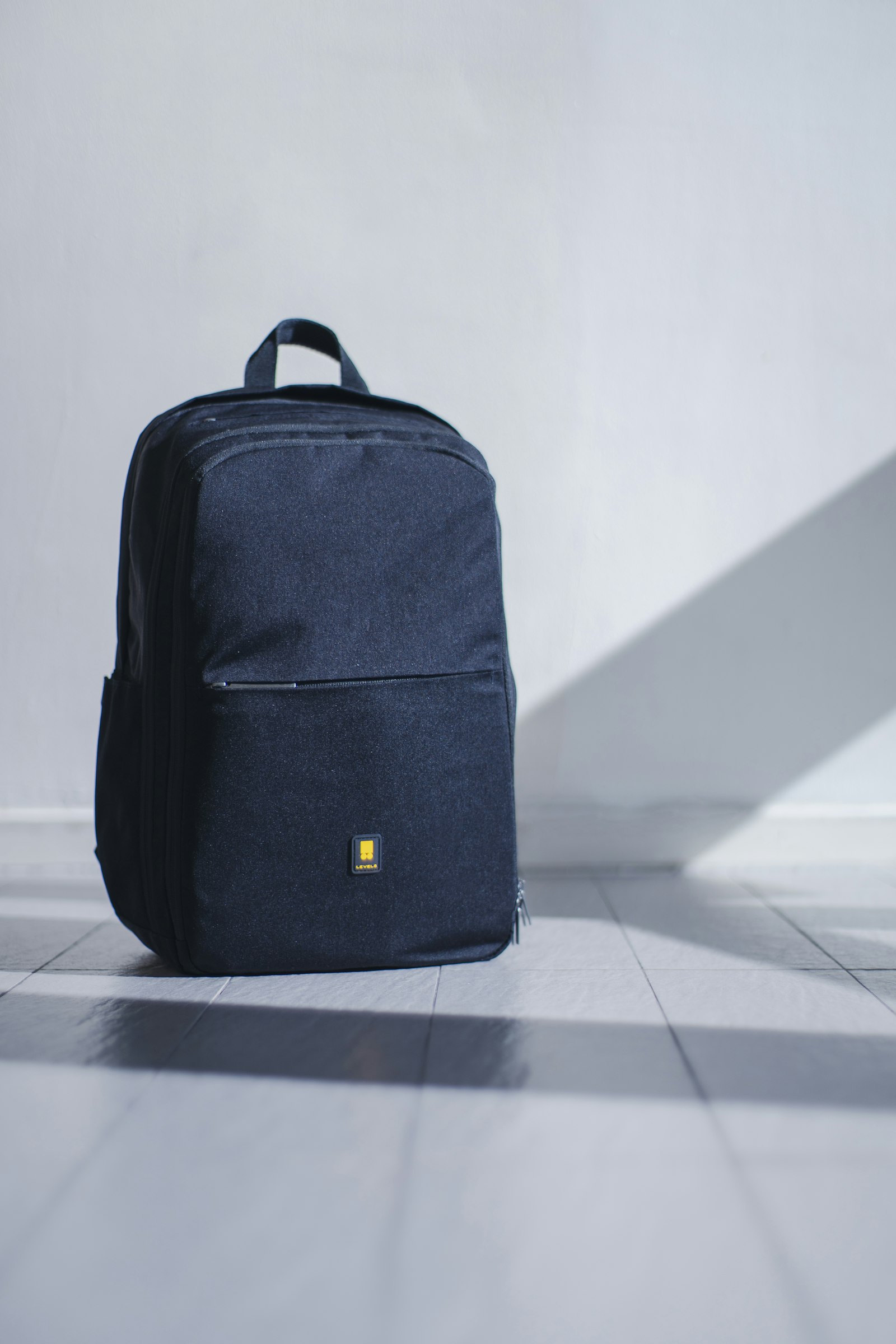
The one-bag traveler at the baggage carousel — walking straight past it, actually — is not carrying special gear. They're carrying fewer decisions. That's the part nobody tells you: packing light is not about buying a better bag. It's about developing a colder eye for what earns space.
We've packed for enough long trips, and unpacked enough regretted items on the other end, to have distilled the process into a few rules. None of them require spending money. All of them require honesty.
Rule one: pack for a week, no matter the trip length
The single biggest unlock in light packing is realizing that trip length stops mattering after about a week. A ten-day trip and a three-week trip take the same bag, because you're going to do laundry either way. A sink, a travel clothesline, and a small bottle of concentrated soap turn any bathroom into a laundromat; most destinations also have actual laundromats, which double as a genuinely pleasant hour of sitting still in a foreign neighborhood.
Once laundry enters the plan, the clothing math collapses to something like: a few tops, two bottoms, underwear and socks for the laundry interval, one warm layer, one shell. Everything after that is preference, not necessity.
Rule two: the outfit test, not the item test
The classic packing mistake is evaluating items one at a time. Everything passes that test — each shirt is nice, each pair of shoes is comfortable, each jacket is useful in some scenario. The bag fills with individually defensible choices.
Flip the question. Don't ask "is this item good?" Ask "which outfits does this item participate in?" A top that works with only one bottom is a coalition of one, and coalitions of one get cut. This is why experienced light packers drift toward a boring, interchangeable color palette: not because they lack style, but because when everything goes with everything, five garments become a dozen outfits.
Shoes are the harshest version of this test, because they're the heaviest and bulkiest thing you'll pack. One pair on your feet, at most one in the bag. If a planned activity truly demands a third pair, question the activity.
Rule three: the "just in case" tax
Go through your packed bag and pull out everything you added with the phrase "just in case." That pile — the extra sweater, the backup shoes, the second book, the full-size first-aid kit, the umbrella and the rain jacket — is usually a third of the bag's weight.
Here's the reframe: "just in case" items are insurance, and insurance has a premium. You pay it in weight, every hour, on every stair and cobblestone, against a risk that usually amounts to "I might have to buy a cheap umbrella somewhere." Almost every just-in-case scenario is solvable at your destination for less hassle than carrying the solution the whole way. Places have stores. Pack for the trip you're taking, not the emergencies you're imagining.
The exceptions are real and worth naming: prescription medication, glasses or contacts, and anything genuinely hard to replace where you're going. Those aren't "just in case." Those are the actual essentials, and they travel on your body or in the bag that never leaves you.
Rule four: the bag is the last decision, not the first
Notice that we're four rules in and haven't discussed gear. That's deliberate. Decide what you're carrying first, then choose the container. Most people do it backwards — they buy an enormous "maximum legal carry-on," and the bag issues an invitation that the just-in-case pile happily accepts. A smaller bag is the cheapest packing discipline ever invented: it makes the cuts for you.
Whatever bag you already own probably works. Packing cubes help less by compressing and more by forcing categories — when the "tops" cube is full, the editing conversation happens at home instead of at an airport gate.
The reward for all this ruthlessness arrives on day one, somewhere between the aircraft door and the street: everyone else is waiting, and you're already gone.
What our readers said
- Be the first to share your experience.
More from Travel
See all →
Extended Warranties on Luggage and Travel Gear: When the Math Actually Works
Structured luggage often already carries a long manufacturer warranty — here is what it covers, what it never covers, and when a paid plan actually adds something new.

The Best Packing Cubes (After 12 Trips and 80,000 Miles)
Six packing cube sets, twelve trips, one ridiculous fight about whether compression cubes are worth it. (Yes, sometimes.)
The Best Carry-On Luggage (After 100,000 Air Miles)
Nine carry-ons, eleven months on the road, 100,000 miles in real airline overhead bins. The winner survived two gate-checks and one TSA bag dump.